Ideas that change the world.


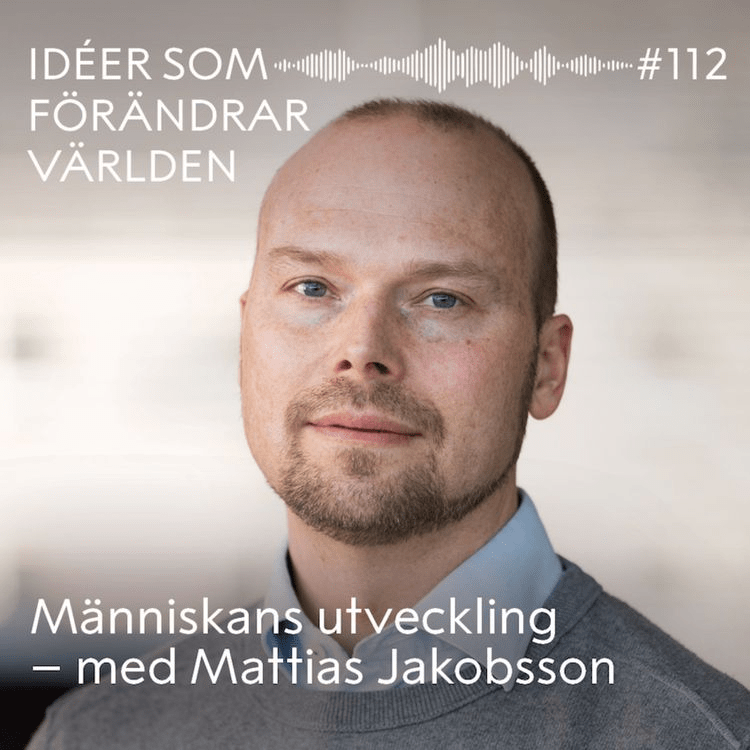
Human Evolution was the focus of the latest episode (Season 6, Ep. 112) in the Nobel Prize Museum’s podcast series, Ideas that change the world, with Mattias Jakobsson.

We all carry the entire history of humanity in our genes. When researchers examine the DNA of people living today and compare it with the genetic material of those who lived tens of thousands of years ago, a new picture of human evolution emerges – a picture characterised by variation, mixture and diversity.

Geneticist Mattias Jakobsson explains how the technology for which Svante Pääbo received the Nobel Prize is being used to understand how we humans became who we are.
  • The Tie That Binds Us?

    The Tie That Binds Us?

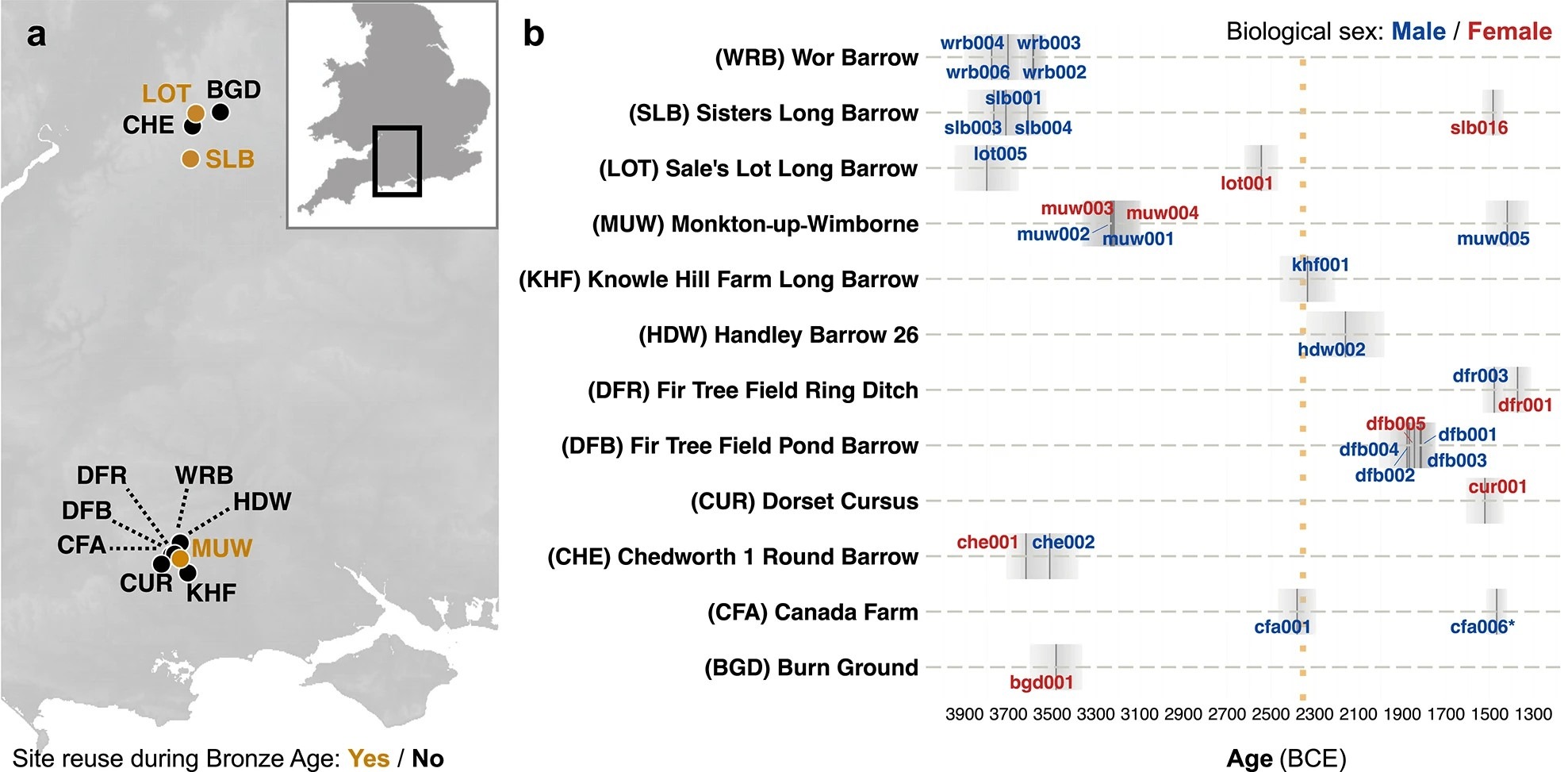
    A new article discussing ancient DNA, kinship studies and human connection across time, co-authored by one of our former Human Past SCAS Fellows, Mehmet Somel, has just been published in the Cambridge Archaeological Journal. Moots, H. M., Tsosie, K. S., & Somel, M. (2026). The Tie That Binds Us? Challenging the Primacy of DNA in Kinship Studies…

  • A new grant to develop cross-cutting research projects

    A new grant to develop cross-cutting research projects

    Uppsala University Future Institutes (UUniFI), CIRCUS (Centre for Integrated Research on Culture and Society) has decided to support our work on the development of an interdisciplinary research project titled “Mechanisms of Human Migration: Causes, Processes & Consequences“. The UUniFI Circus will provide both financial and administrative support and host a seminar series in which project…

  • UU researcher profile: Harald Hammarström documents languages on the verge of extinction

    UU researcher profile: Harald Hammarström documents languages on the verge of extinction

    A professor of linguistics with a Master’s in computer science and a PhD in computational linguistics, Harald goes an extra mile to document the languages that head towards extinction. “Throughout time, smaller languages have always been swallowed up by larger ones. But now, with globalisation, this is happening at an incredibly accelerated pace.” Language has…