Matte Sjölander’s STSM Experience in Utrecht 2026


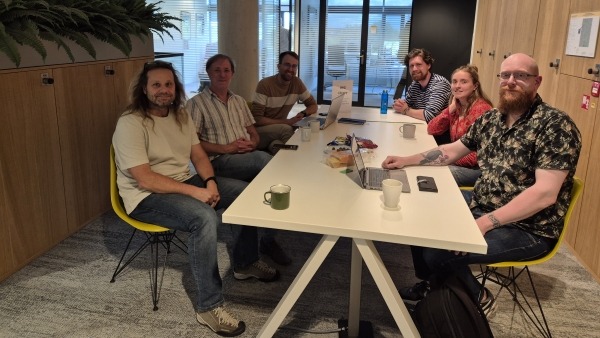
In June 2026, Mattias Sjölander visited Utrecht University to host a brainstorming session on integrating subfossil insect and pollen data in future analyses.

The visit, a so-called Short-Term Scientific Mission within Open Palaeoecological Data (PalaeOpen), was funded by the European Cooperation in Science and Technology (COST).
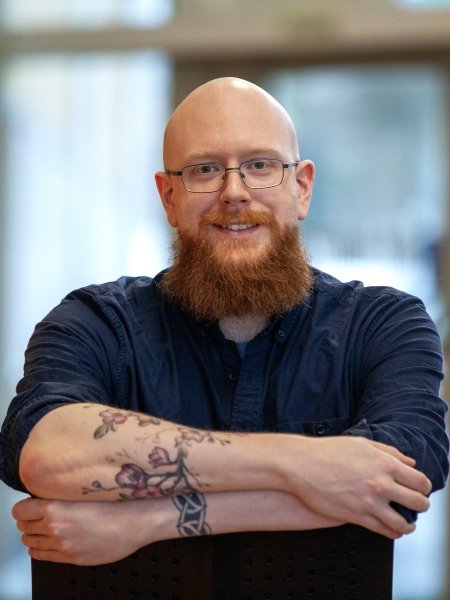
Mattias Sjölander
Photograph by Per Melander, Umeå University.

During my ongoing postdoctoral project at the Center for the Human Past at Uppsala University, I have been working with the subfossil insect data in the Strategic Environmental Archaeology Database (SEAD). Insect data is a great source of information on past landscape and climate development and is currently underutilized in large-scale systematic analyses. As I have been exploring the data currently in SEAD, one thing on my mind has been how this valuable information can be better combined with other proxies, in particular palynological data which describes vegetation development.

You can read Matte’s impressions in his post on the PalaeOpen blog:
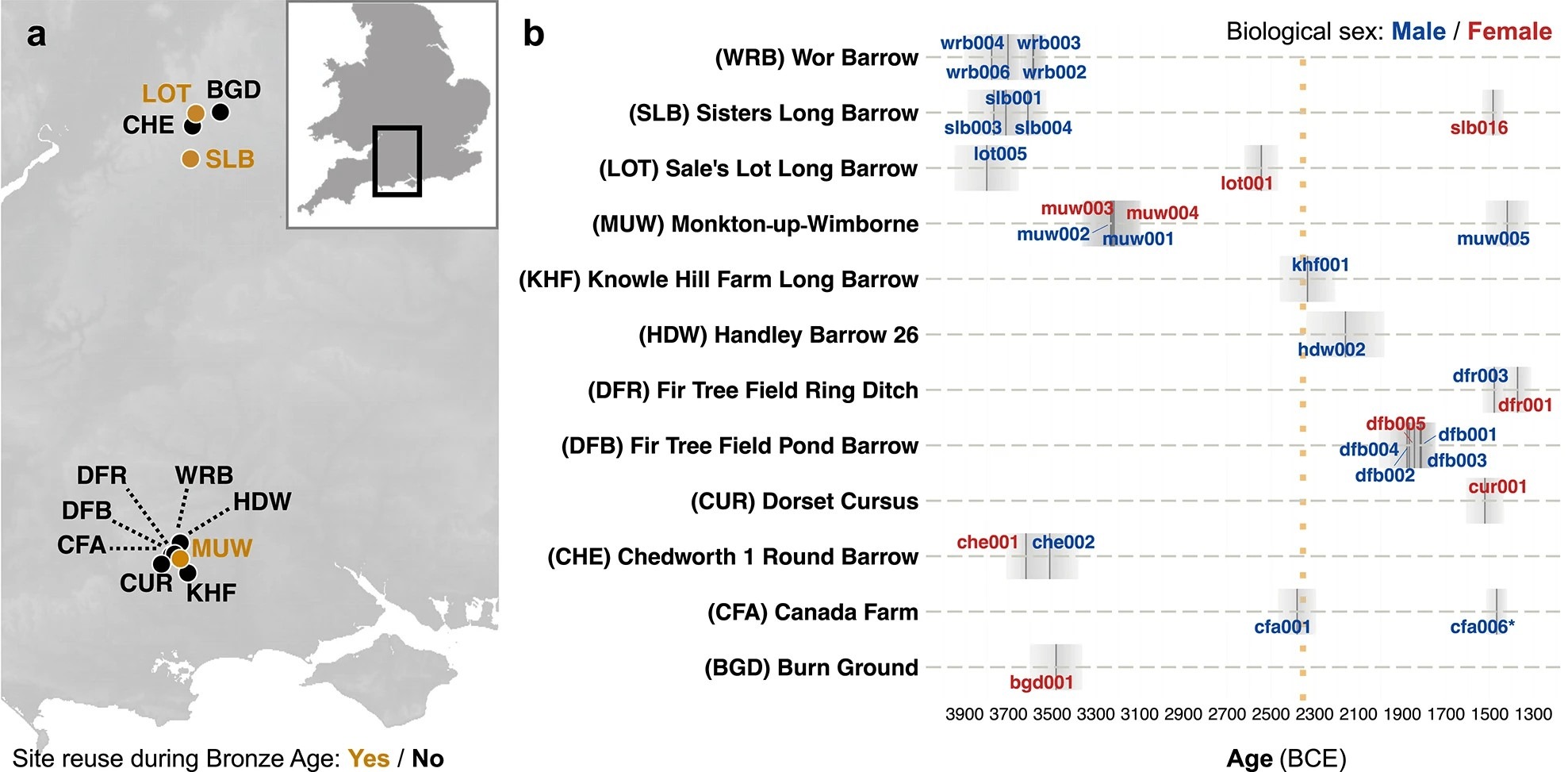

  • Diachronic reuse of Neolithic burial monuments by Bronze Age newcomers in Southwestern Britain

    Diachronic reuse of Neolithic burial monuments by Bronze Age newcomers in Southwestern Britain

    A new paper, co-authored by Nikola Vuković, Carolina Bernhardsson and Mattias Jakobsson, from the Human Evolution Program at Uppsala University, in close collaboration with British archaeologists, has recently been published in Scientific Reports:Vuković, N., Bernhardsson, C., Edlund, H., Delbarre, G., Smith, M., Darvill, T., … & Jakobsson, M. (2026). Diachronic reuse of Neolithic burial monuments…

  • Matte Sjölander’s STSM Experience in Utrecht 2026

    Matte Sjölander’s STSM Experience in Utrecht 2026

    In June 2026, Mattias Sjölander visited Utrecht University to host a brainstorming session on integrating subfossil insect and pollen data in future analyses. The visit, a so-called Short-Term Scientific Mission within Open Palaeoecological Data (PalaeOpen), was funded by the European Cooperation in Science and Technology (COST). During my ongoing postdoctoral project at the Center for the Human…

  • The Tie That Binds Us?

    The Tie That Binds Us?

    A new article discussing ancient DNA, kinship studies and human connection across time, co-authored by one of our former Human Past SCAS Fellows, Mehmet Somel, has just been published in the Cambridge Archaeological Journal. Moots, H. M., Tsosie, K. S., & Somel, M. (2026). The Tie That Binds Us? Challenging the Primacy of DNA in Kinship Studies…