
SciLifeLab Symposium: Advancing archaeology with multi-disciplinary analysis


Our collaborating partner, SciLifeLab organizes a symposium that offers valuable insights into advanced research methods and analysis highly relevant in interdisciplinary context of archaeogenetics and archaeology.
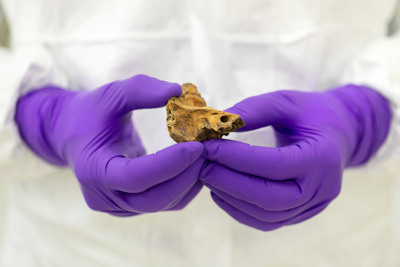
Archaeology thrives on its intrinsic interdisciplinary nature, drawing from a diverse range of scientific disciplines. SciLifeLab, together with ArchLab, Sweden’s newly initiated national research infrastructure for archaeological laboratories, plays a key role in advancing these investigations by providing access to a wide array of analytical tools and methodologies.

The aim of this symposium is to demonstrate and discuss the powerful combination of techniques such as DNA analysis, isotope analysis, dating methodologies, palaeobotany, osteological analysis, spatial analysis, and environmental archaeology, to address key research questions concerning the past.

Read more

Attendance is free of charge and on-site participation includes lunch and coffee but registration is required (by 30th October)

Registration

Where

Humanities Theatre, Engelska Parken,
Uppsala University campus

When

Thu, 7th Nov, 09:00-17:00

  • UU researcher profile: Harald Hammarström documents languages on the verge of extinction

    UU researcher profile: Harald Hammarström documents languages on the verge of extinction

    A professor of linguistics with a Master’s in computer science and a PhD in computational linguistics, Harald goes an extra mile to document the languages that head towards extinction. “Throughout time, smaller languages have always been swallowed up by larger ones. But now, with globalisation, this is happening at an incredibly accelerated pace.” Language has…

  • Carina Schlebusch’s current research—in a nutshell

    Carina Schlebusch’s current research—in a nutshell

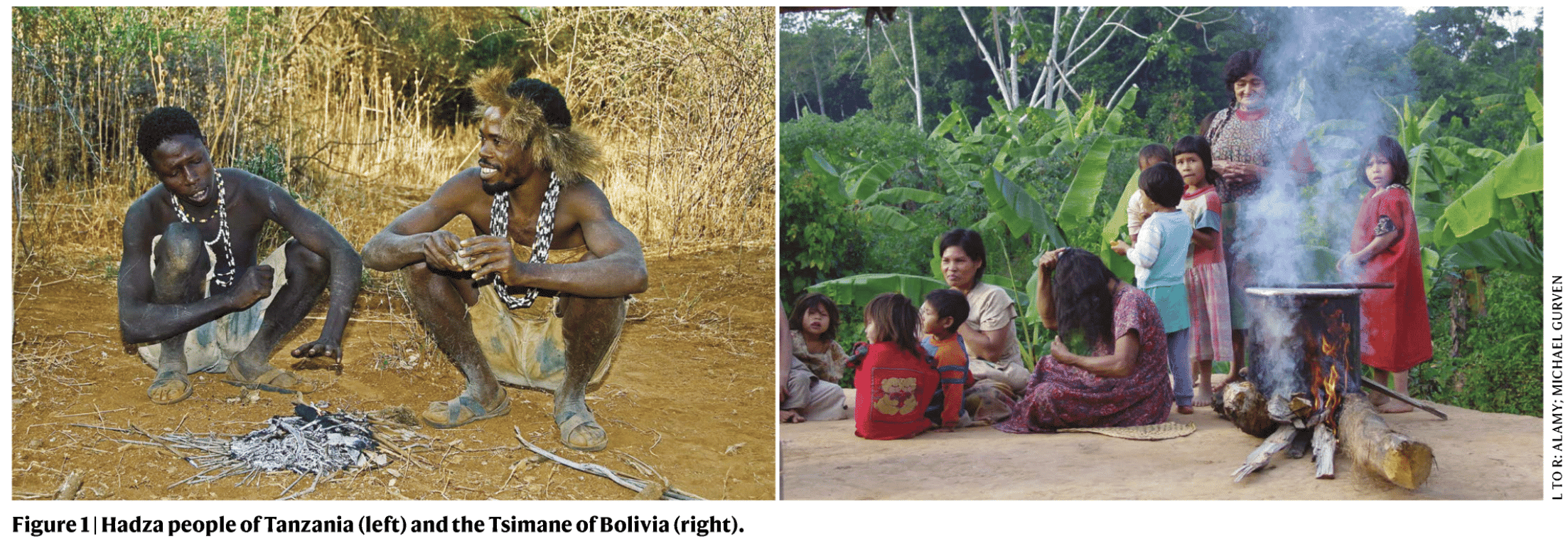
    Carina Schlebusch is combining archaeology, genetics and biochemistry with the aim of discovering how human genes have adapted to changing lifestyles over thousands of years. Prehistoric DNA from skeletal remains in Africa can provide answers to questions about diet, disease and survival, and perhaps even offer clues about humanity’s future health. The goal now is…

  • Meet Lydia Furness, our new postdoctoral researcher in interdisciplinary genetics

    Meet Lydia Furness, our new postdoctoral researcher in interdisciplinary genetics

    “My research background lies at the intersection of archaeology, evolutionary anthropology, and biomolecular science. I trained initially as an archaeologist at the University of Liverpool, specialising in archaeological science and early human evolution, which provided a strong foundation in archaeological practice, material analysis, and the ethical dimensions of working with human remains and cultural heritage.”…