Ideas that change the world.


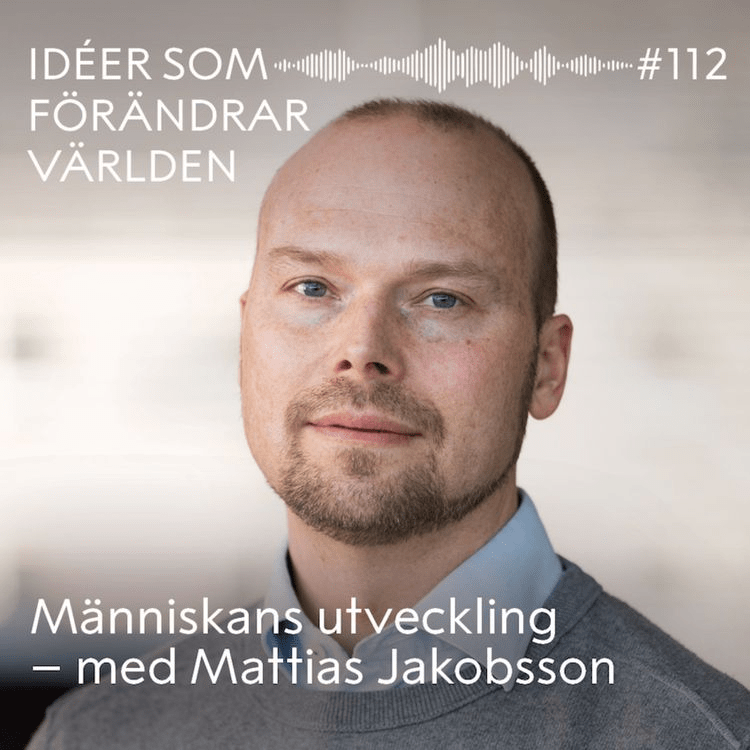
Human Evolution was the focus of the latest episode (Season 6, Ep. 112) in the Nobel Prize Museum’s podcast series, Ideas that change the world, with Mattias Jakobsson.

We all carry the entire history of humanity in our genes. When researchers examine the DNA of people living today and compare it with the genetic material of those who lived tens of thousands of years ago, a new picture of human evolution emerges – a picture characterised by variation, mixture and diversity.

Geneticist Mattias Jakobsson explains how the technology for which Svante Pääbo received the Nobel Prize is being used to understand how we humans became who we are.

  • Paleogenomics illuminates mobility and changing lifeways in Chalcolithic Anatolia

    Paleogenomics illuminates mobility and changing lifeways in Chalcolithic Anatolia

    Axel Palmér and our former Human Past SCAS Fellow, Mehmet Somel, are among the co-authors of a new paper in Cell. Congratulations to the whole team! Highlights Abstract Once labelled the “Dark Ages” of Anatolian prehistory, the Chalcolithic period (c. 6000–3000 BCE) was characterised by drastically reduced settlement densities compared with the preceding Neolithic and…

  • Did Paleogermanic originate in Sweden?

    Did Paleogermanic originate in Sweden?

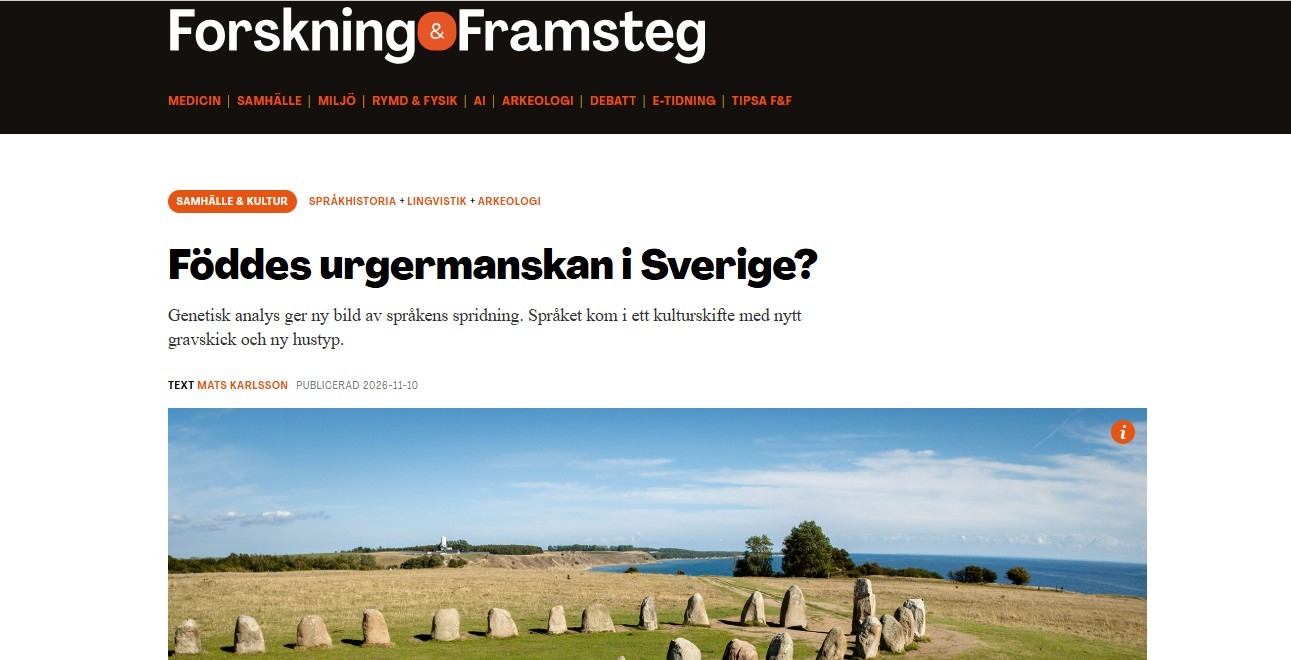
    Jenny Larsson, one of the Center for the Human Past’s leaders, was approached to comment on the two recent Nature publications by McColl and others (2026) . The co-authors suggest that genetic analyses paint a new picture of how languages spread. According to them, the language arrived during a cultural shift that brought new burial…

  • New VR grants for Mattias Jakobsson and Carina Schlebusch

    New VR grants for Mattias Jakobsson and Carina Schlebusch

    Searching for sapiens-specific evolution Mattias Jakobsson receives new funding from the Swedish Research Council (Vetenskapsrådet, VR) to “develop a statistical, machine-learning–based framework that jointly analyses genomes from archaic humans, ancient southern Africans, and present-day populations.” In the next four years, the project expects to identify genomic regions and biological pathways that evolved rapidly during the…