
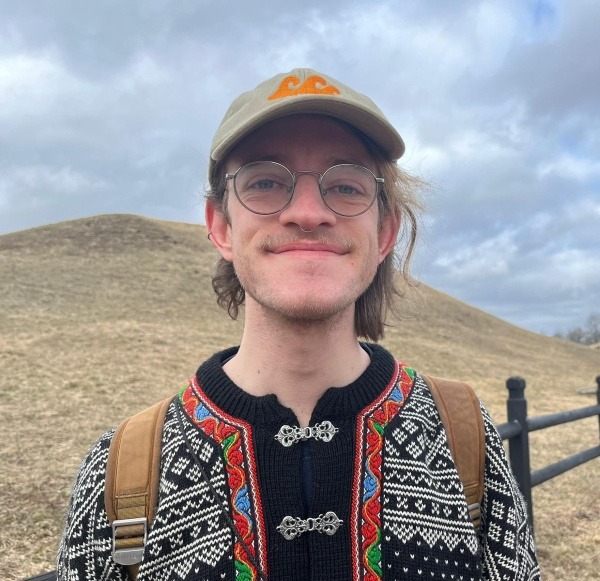
Meet Daniel Brown, our new postdoctoral researcher in interdisciplinary archaeology


Daniel Brown

“I am a multidisciplinary archaeologist with a background in archaeological science, database and collections management, and pedagogy.

My PhD project enshrined many of these interdisciplinary principles. I utilised cutting-edge archaeological science techniques, alongside varied theoretical models, to uncover relationships between people, food, and pottery in the Early and Middle Neolithic period of the Outer Hebrides of Scotland. This also involved collaborating with researchers from multiple universities, heritage institutions, and museums.”

Daniel’s proposed research aims to develop new cutting-edge methodologies to test how computer-based analytical methods and QGIS modelling can be used in conjunction with multiple large databases to answer large-scale archaeological research questions.

These novel methods will be used to shed light on the origins and spread of subsistence agriculture across Northern Europe, beginning in the Neolithic period (approximately 4000 BCE). This will be done by aggregating data from various databases hosted by the Swedigarch national infrastructure.

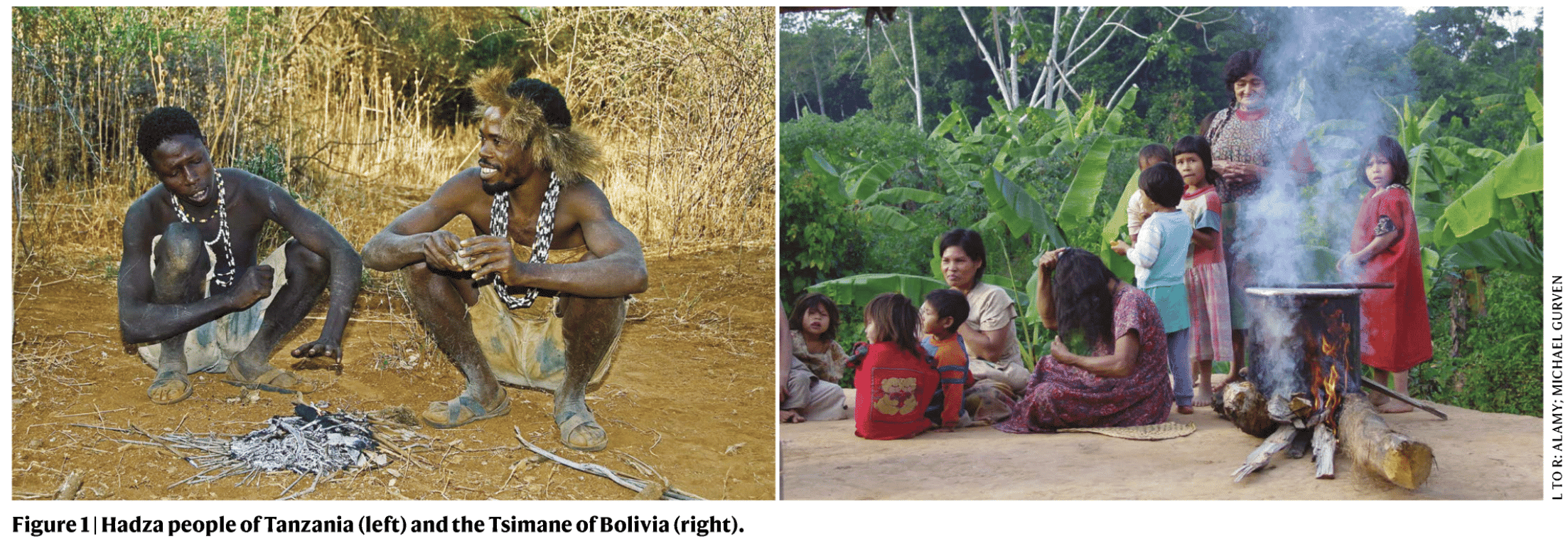
  • UU researcher profile: Harald Hammarström documents languages on the verge of extinction

    UU researcher profile: Harald Hammarström documents languages on the verge of extinction

    A professor of linguistics with a Master’s in computer science and a PhD in computational linguistics, Harald goes an extra mile to document the languages that head towards extinction. “Throughout time, smaller languages have always been swallowed up by larger ones. But now, with globalisation, this is happening at an incredibly accelerated pace.” Language has…

  • Carina Schlebusch’s current research—in a nutshell

    Carina Schlebusch’s current research—in a nutshell

    Carina Schlebusch is combining archaeology, genetics and biochemistry with the aim of discovering how human genes have adapted to changing lifestyles over thousands of years. Prehistoric DNA from skeletal remains in Africa can provide answers to questions about diet, disease and survival, and perhaps even offer clues about humanity’s future health. The goal now is…

  • Meet Lydia Furness, our new postdoctoral researcher in interdisciplinary genetics

    Meet Lydia Furness, our new postdoctoral researcher in interdisciplinary genetics

    “My research background lies at the intersection of archaeology, evolutionary anthropology, and biomolecular science. I trained initially as an archaeologist at the University of Liverpool, specialising in archaeological science and early human evolution, which provided a strong foundation in archaeological practice, material analysis, and the ethical dimensions of working with human remains and cultural heritage.”…